Scoliosis
Scoliosis is one of those conditions that often develops quietly — a small curve in the spine that goes unnoticed until it’s progressed significantly. The earlier it’s identified and addressed, the more options there are. And that’s exactly why we take spinal screening and foundational alignment so seriously at Cornerstone.
If you or your keiki has been diagnosed with scoliosis — or if you’re concerned about the way the spine is developing — here’s what you need to know.
Ready to Experience Get Relief from Your Scoliosis?
How Scoliosis Develops
Scoliosis rarely appears overnight. In most cases, it begins with a minor misalignment — sometimes a single vertebra shifting slightly out of position. Over time, the body compensates for that shift, and the spine begins developing lateral curves: the characteristic ‘S’ or ‘C’ shapes associated with scoliosis.
Parents often notice it first through visible changes in posture — one shoulder sitting higher than the other, an uneven pelvis, or a difference in how clothing fits. These are signals worth taking seriously and investigating early.
While scoliosis is most commonly associated with adolescent girls, it’s important to know that it can develop at any age. In older adults, degenerative changes like osteoporosis can cause vertebrae to lose their normal shape, prompting the spine to curve laterally. Left unaddressed, advanced scoliosis can carry serious health consequences — including impact on heart and lung function.
What We Look for When You Have Scoliosis
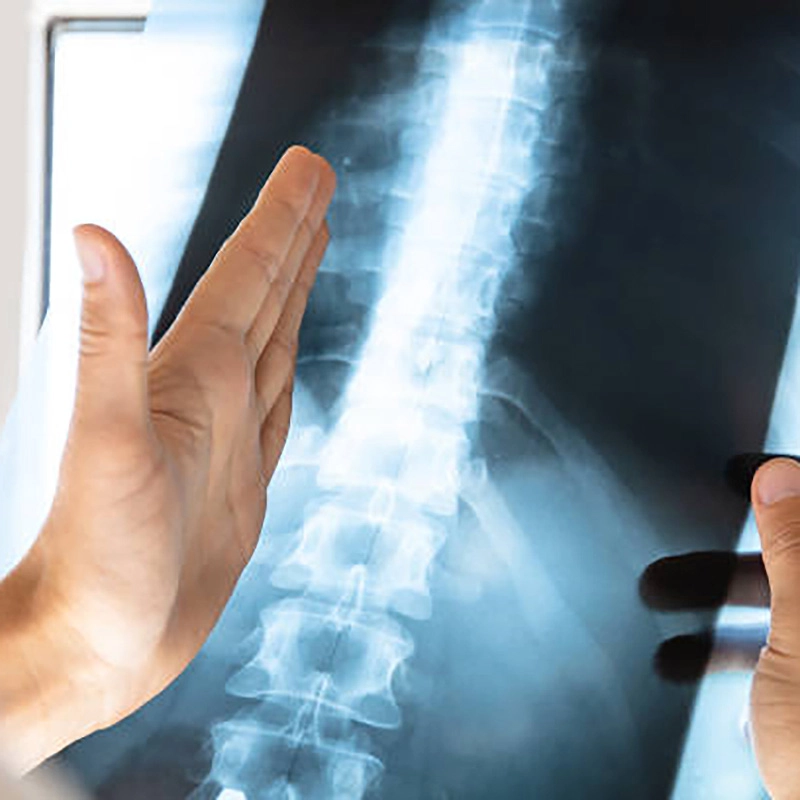
Identifying scoliosis accurately requires imaging. At Cornerstone, we use foundational X-rays to assess the degree and location of spinal curvature — giving us a precise, measurable picture of what’s happening structurally. We also evaluate the hips, shoulders, and leg length, all of which can offer important clues about how the spine is compensating.
How Chiropractic Care Can Help
Research has demonstrated that chiropractic care can slow or stop the progression of scoliosis, particularly when intervention begins early. The goal isn’t just symptom management — it’s working to address the compensations the spine has developed and supporting the body’s ability to maintain better structural alignment over time.
How We Approach Scoliosis at Cornerstone
Your care plan is built around our 3-stage Foundational Correction model once we understand what’s driving your sciatica:
Foundational Ergonomics
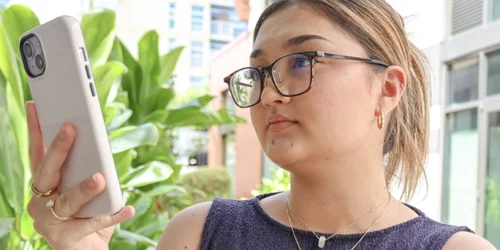
We assess how daily habits, posture, and movement patterns are influencing spinal loading. Small changes in how you sit, carry weight, and move through your day can meaningfully reduce the stress placed on a curving spine.
Gonstead Chiropractic
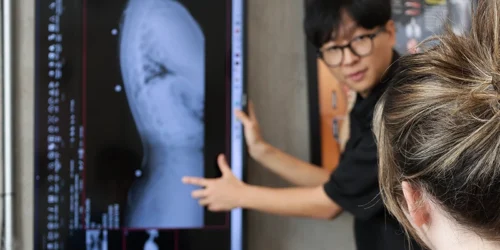
X-ray-guided adjustments target the specific areas of misalignment driving your body’s compensatory curves. Every correction is intentional and measurable to improve your scoliosis.

Foundational Movement
Spine-specific exercises tailored to your X-rays support structural correction, build the right muscular support, and protect your progress between visits.
Early Action Is Everything
The most important thing to understand about scoliosis is this: the earlier it’s identified and addressed, the more can be done. Curves that are caught and managed in their early stages can often be stabilized without invasive intervention.
Choose a location to book your first appointment for your scoliosis condition:
Ewa Beach
(808) 321-0253
91-1123 Keaunui Drive #228
Ewa Beach, HI 96706

Kapolei
(808) 321-1540
338 Kamokila Boulevard #207
Kapolei, HI 96707
Kaka’ako
(808) 286-4287
512 Keawe Street
Honolulu, HI 96813
Kailua
(808) 636-6996
600 Kailua Rd #124
Kailua, HI 96734