
Carpal Tunnel Syndrome
The tingling, burning, and weakness that come with carpal tunnel syndrome are hard to ignore — especially when they start affecting your ability to work, sleep, or get through a normal day. What many people don’t know is that surgery isn’t the only path forward, and for a significant number of patients, it isn’t the right first step at all.
At Cornerstone, we approach carpal tunnel syndrome the same way we approach every condition— find what’s actually driving it before deciding how to address it.

Ready to Get Relief from Your Carpal Tunnel Syndrome?
What Carpal Tunnel Actually Feels Like
Carpal tunnel syndrome occurs when the median nerve — which runs through a narrow passage in the wrist — becomes compressed. The result is a distinct set of symptoms: burning pain, tingling, or numbness that typically affects the thumb, index finger, middle finger, and part of the ring finger.
Many people also notice weakness in the hand, difficulty gripping, or the sensation of swelling even when none is visibly present.
The Part Most People Miss
Here’s something that changes the conversation for a lot of patients: carpal tunnel symptoms don’t always originate at the wrist. Research has shown that people experiencing symptoms in both hands frequently have nerve irritation stemming from the cervical spine — where the nerves that travel all the way down into the hands first exit the spinal column.
This is a significant reason why carpal tunnel decompression surgery fails in nearly 40% of cases. If the compression at the wrist is treated but the spinal component is never addressed, the underlying nerve irritation remains — and symptoms return.
A Note on Surgery
Carpal tunnel surgery costs between $6,000 and $11,000 — and fails to fully resolve symptoms in a significant percentage of patients. We’re not opposed to surgery when it’s genuinely necessary. But we believe strongly that patients deserve a thorough structural assessment and a trial of precise, non-invasive care before committing to an invasive procedure.
How We Approach Carpal Tunnel Syndrome at Cornerstone
At Cornerstone, our evaluation looks at both the wrist and the cervical spine — because treating one without the other is often why people don’t get lasting relief.
Foundational Ergonomics
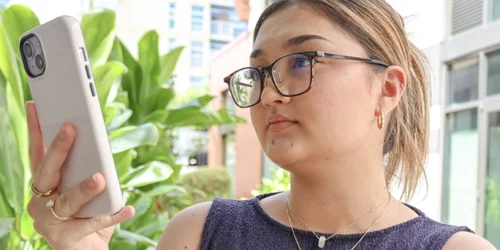
The Cornerstone team assessed your workstation setup, hand positioning, repetitive movement patterns, and daily habits that may be contributing to median nerve compression.

Gonstead Chiropractic
If cervical misalignment is contributing to your carpal tunnel syndrome symptoms, precise X-ray-guided adjustments address the spinal source of nerve irritation. If the wrist itself requires correction, adjustments to the carpal bones and surrounding tissue are also part of the care approach.

Foundational Movement
You’ll learn targeted exercises to support nerve mobility, reduce tissue tension, and reinforce the structural corrections made in clinic to manage your carpal tunnel syndrome.
Start with a Clear Picture
If you’re experiencing numbness, tingling, or weakness in your hands or wrists, the most important first step is understanding where it’s coming from. We offer kōkua — real support in finding those answers.
Book your first appointment to get relief from your carpal tunnel syndrome. Click a location near you.
Ewa Beach
(808) 321-0253
91-1123 Keaunui Drive #228
Ewa Beach, HI 96706

Kapolei
(808) 321-1540
338 Kamokila Boulevard #207
Kapolei, HI 96707
Kaka’ako
(808) 286-4287
512 Keawe Street
Honolulu, HI 96813
Kailua
(808) 636-6996
600 Kailua Rd #124
Kailua, HI 96734